

IM-1511- Majd Shihadi Palestinian Open Maps Mapathon
The “Palestine Open Maps” workshop was an excellent opportunity to add to the production of detailed and accurate maps of Palestine. This mapathon brought together people with various backgrounds and levels of expertise to work together on a mapping project that aided humanitarian efforts in Palestine and enhanced the quality of life for Palestinians. We were given an opportunity to gain more knowledge about the region and to contribute to the creation of thorough maps that can be used by researchers, humanitarians, and other people who are interested in understanding this important part of the world. By participating in this project, we supported the larger objective of enhancing public access to important information and assisting initiatives to promote the development of a more just and equitable global society.
The Middle Eastern country of Palestine has a lengthy history and a diverse cultural heritage. Numerous groups have made claims of ownership and control over the land, causing considerable conflict over the years. The region is home to multiple significant religious sites, including Jerusalem’s Dome of the Rock, which is regarded as one of Islam’s holiest sites. Palestine’s political situation at the moment is complicated, with ongoing conflicts involving control of the government, borders, and land. Several aspects of daily life, including infrastructure and resource access, are impacted by the situation.
Therefore, mapping is essential for Palestine, especially in light of the current political climate and how it affects the country’s resources. A variety of applications, such as urban planning, disaster management, and public health, can benefit from having accurate and current maps. The ability to pinpoint areas in need of improvement or support is one of the main advantages of mapping. Maps, for instance, can be used to find areas where residents lack access to necessities like electricity or water. Effective resource allocation and project prioritization are possible with the help of this information. As a result, the objective of this Open Street Maps mapathon was to contribute to the vectorization of an accurate and thorough map of Palestine that can be used for a variety of tasks, from assisting with humanitarian efforts to fostering economic development.
For historians and researchers who want to use maps to explore the history of Palestine, Palestine Open Maps is a fantastic resource. During this Palestinian Open Maps mapathon, we used open-source mapping tools, that are freely available to anyone with an internet connection, like OpenStreetMap to extract geographic data from these old maps. By doing this, we added to the body of geographic knowledge about Palestine and converted the information on these old maps into a format that can be used by contemporary GIS tools. Open Street Maps (OSM) is a collaborative mapping platform that allows users to create and edit maps in real-time and so through vectorization and other techniques we were easily able to add and edit features like roads, buildings, and water sources.
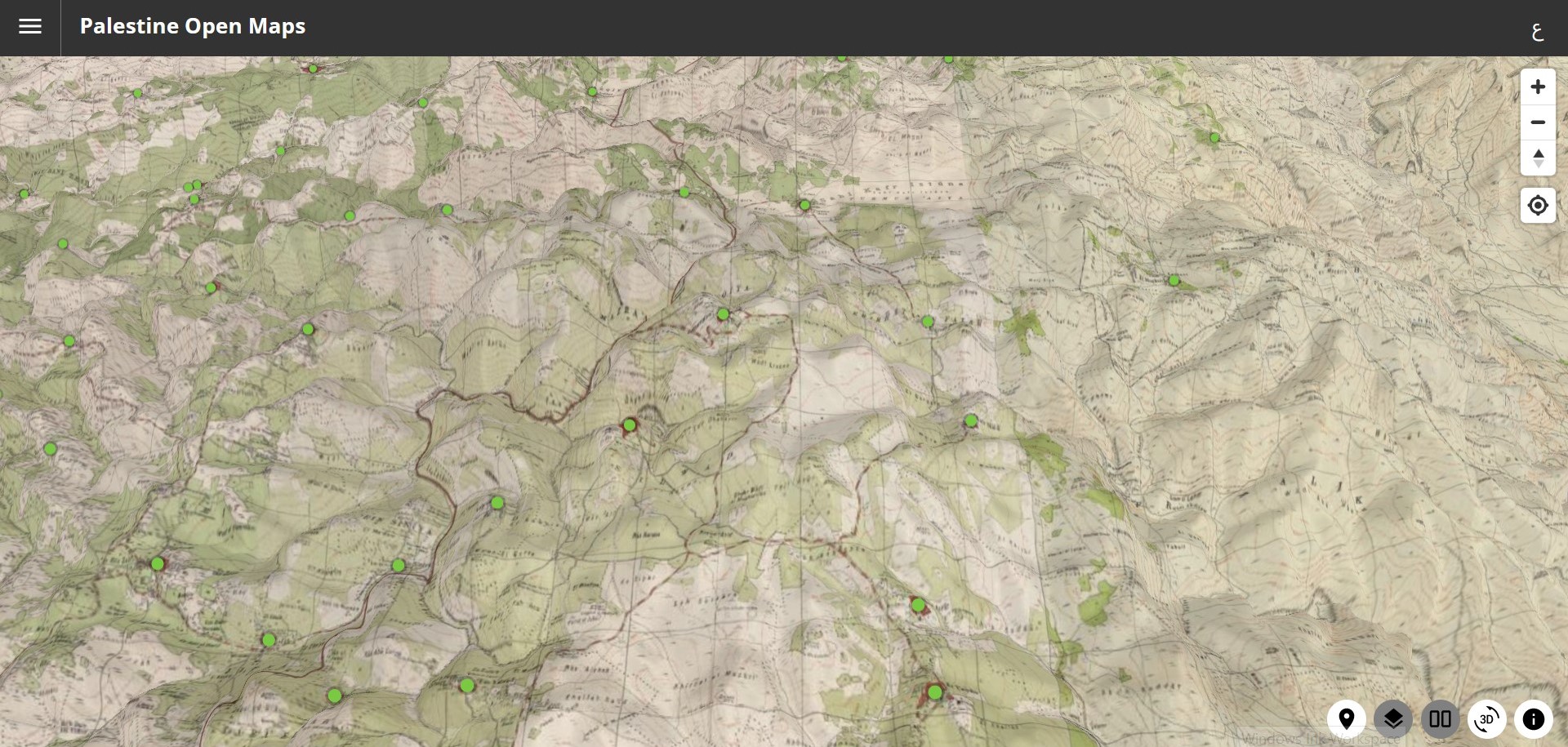
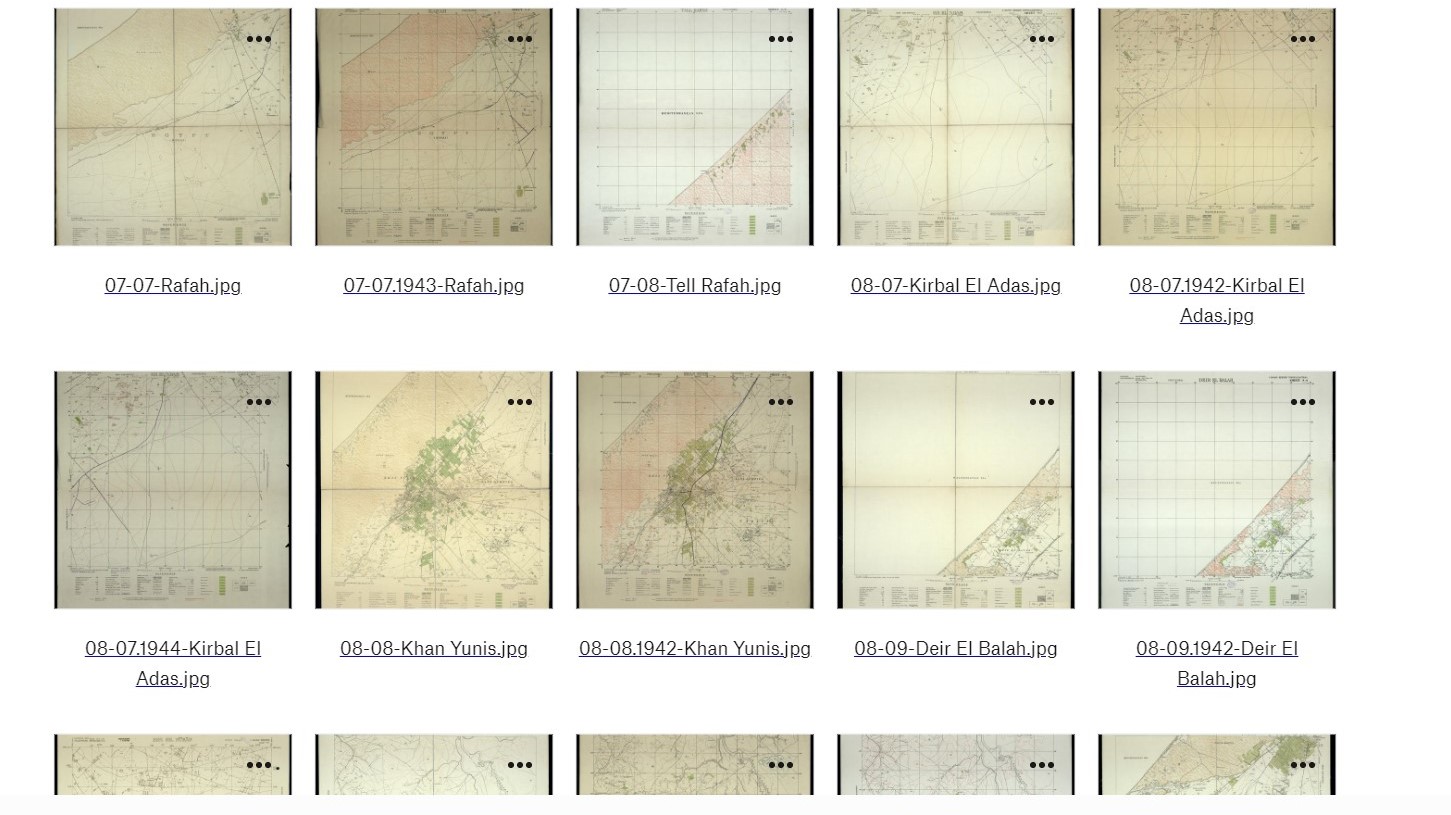
The method used to extract geographic information from old maps raised significant issues regarding data ownership and the creation of public knowledge. Majd Al-Shihabi, a technologist and urban planner who organized the mapathon, gave us the opportunity to challenge established notions of data ownership and develop a more open and democratic system of knowledge production by allowing us to jointly produce and share geographic data. Additionally, this workshop equips participants with the know-how and abilities to keep supporting the ongoing mapping of Palestine and the use of geographic information to investigate its history and culture.
In this mapathon, we specifically concentrated on mapping important features like roads, structures, water sources, and land use. Majd gave us an explanation of how many different data sources were combined to produce this. These sources include:
Satellite imagery: is a powerful tool that can be used to create accurate maps of Palestine. Participants can access satellite imagery through platforms like Bing Maps, Mapbox, and Google Earth. These platforms offer high-resolution imagery that can be used to identify and map key features like roads, buildings, and water sources.
GPS Data: GPS data can also be used to create accurate maps of Palestine. Participants can use GPS-enabled devices like smartphones and tablets to collect data on the ground and add it to the map. This data can be used to map points of interest like hospitals, schools, and markets, as well as to identify and map roads and other features.
Existing Maps:Existing maps can also be used as a source of data for the mapathon. Participants can use existing maps to identify key features that need to be mapped or to verify the accuracy of existing maps. Existing maps can be accessed through platforms like Open Street Maps, Google Maps, and Bing Maps.
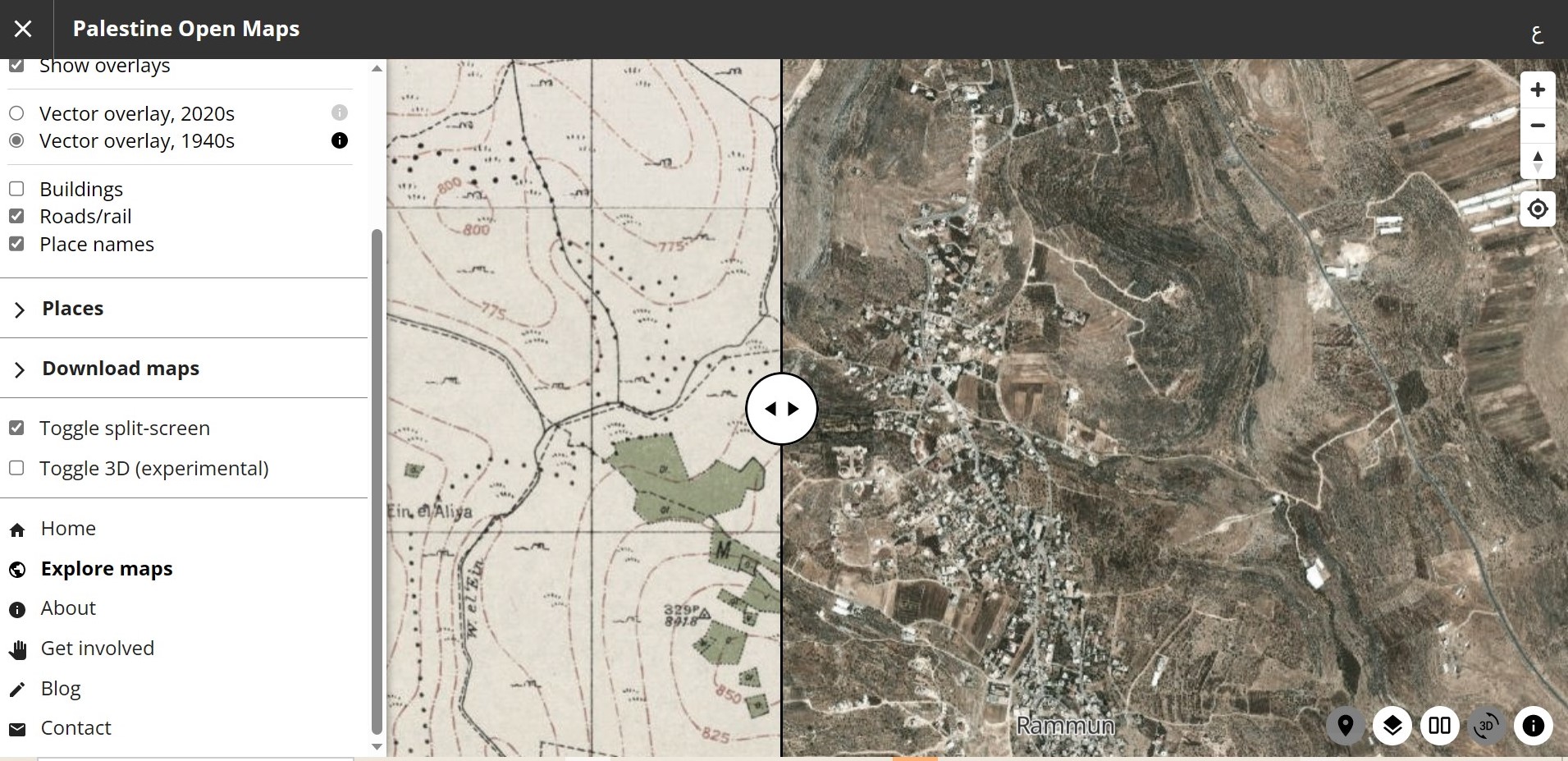
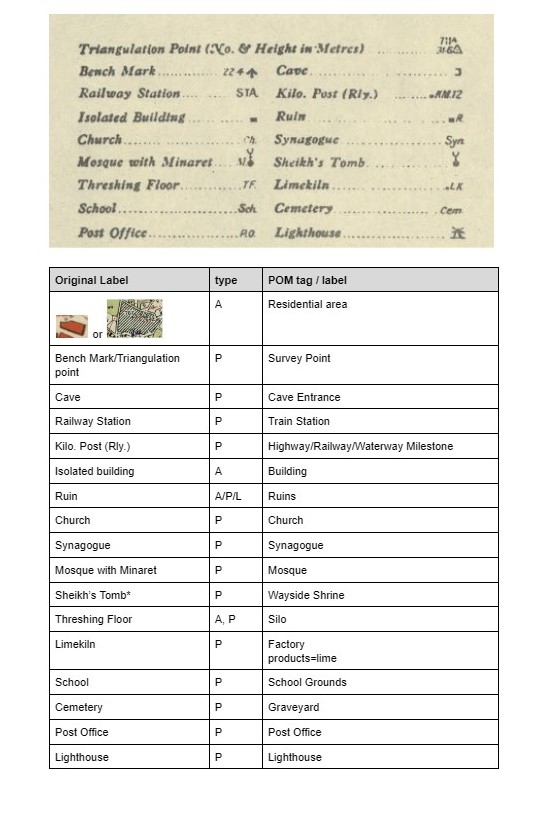
Using these data sources and the original maps, these tools were combined to form what we see today. During the vectorization process, we utilized these old maps on the Palestinian Open Maps website along with legends, to accurately idenitfy places, paths, water sources, their importance and their uses.
In conclusion, through this Palestinian Open Maps Mapathon we were able to create accurate and thorough maps that are being used to address a variety of challenges and that have a real impact on the lives of people in Palestine. It was a nice way to foster a sense of community and to meet people who are enthusiastic about mapping and having a positive impact on the world. We helped to create a more cooperative and inclusive mapping community by working together and exchanging information and resources. In continuing to do so, we can support humanitarian efforts and contribute to the improvement of Palestinians’ quality of life by facilitating access to important information.