

IM-1511- Working with an item in the Digital Library of the Middle East
What is the Digital Library of the Middle East ?
The Digital Library of the Middle East (DLME)is an online platform that provides free access to cultural heritage materials from the Middle East and North Africa (MENA) region. Launched in 2018, the DLME is a collaborative project between various institutions and organizations, including libraries, museums, archives, and cultural heritage institutions. The DLME aims to increase global access to digital resources and promote the preservation and study of the rich cultural heritage of the MENA region. Through the DLME, users can explore a wide range of digital materials, including manuscripts, photographs, maps, audiovisual recordings, and other historical artifacts. The DLME also provides tools for searching and discovering these materials and offers support for metadata management and digital preservation.
Mapping the Metadata of Ivory found in the DLME
The Expedition to Beth Shean (Beisan) led by Clarence Fisher between 1921 and 1928 uncovered several artifacts made of ivory dating back to the Late Bronze Age IB and IIA period. The ivory pieces, estimated to have been made between 1470-1300 BCE, provide insight into the artistic and cultural practices of the time. The ivory objects include plaques, inlays, and small figures that were most likely used for decorative or ceremonial purposes. The intricate details and skilled craftsmanship evident in the ivory objects suggest that the makers of these items were highly skilled artisans. The discovery of ivory objects at Beth Shean (Beisan) is significant because it provides evidence of trade networks and artistic exchange that existed during this time. The ivory would have likely been imported from Africa or other regions where elephants were present, and its presence in Beth Shean (Beisan) indicates that the city had access to international trade networks.
Analysis of the Ivory
Ivory Inlay
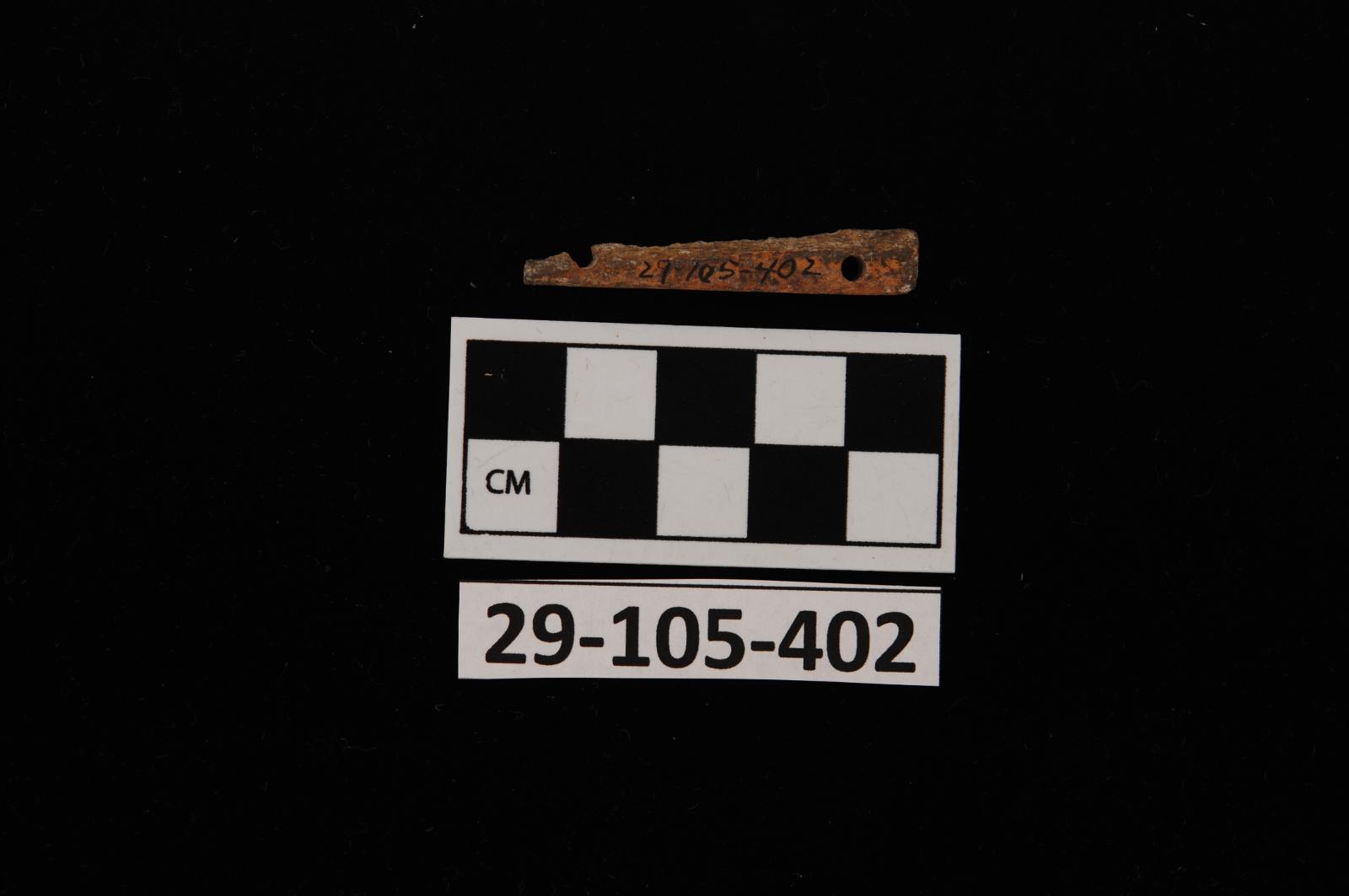
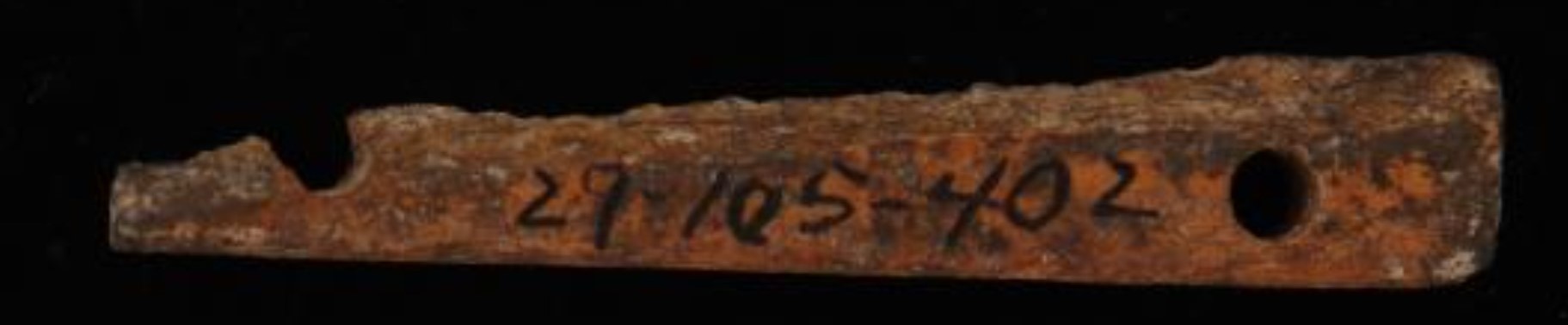
The dirty appearance of the first ivory piece found at the Expedition to Beth Shean (Beisan) is a testament to the passage of time and the importance of preservation efforts to maintain the integrity of historical artifacts. Despite its worn and aged appearance, the piece still offers a deep artistic insight into the intricacies of the Late Bronze Age in the region. The fact that it is pierced at each end and measures 4.2 cm in length with a width of 0.78 cm, suggests that it was meant to be used as an inlay, possibly for a larger decorative object or piece of furniture. The worn and aged appearance of the ivory offers a glimpse into the decorative arts of the time and the ways in which artisans utilized different materials to create intricate designs. This adds to its charm and historical significance, as it provides a tangible connection to the past and a sense of the passage of time.
Ivory Fragment
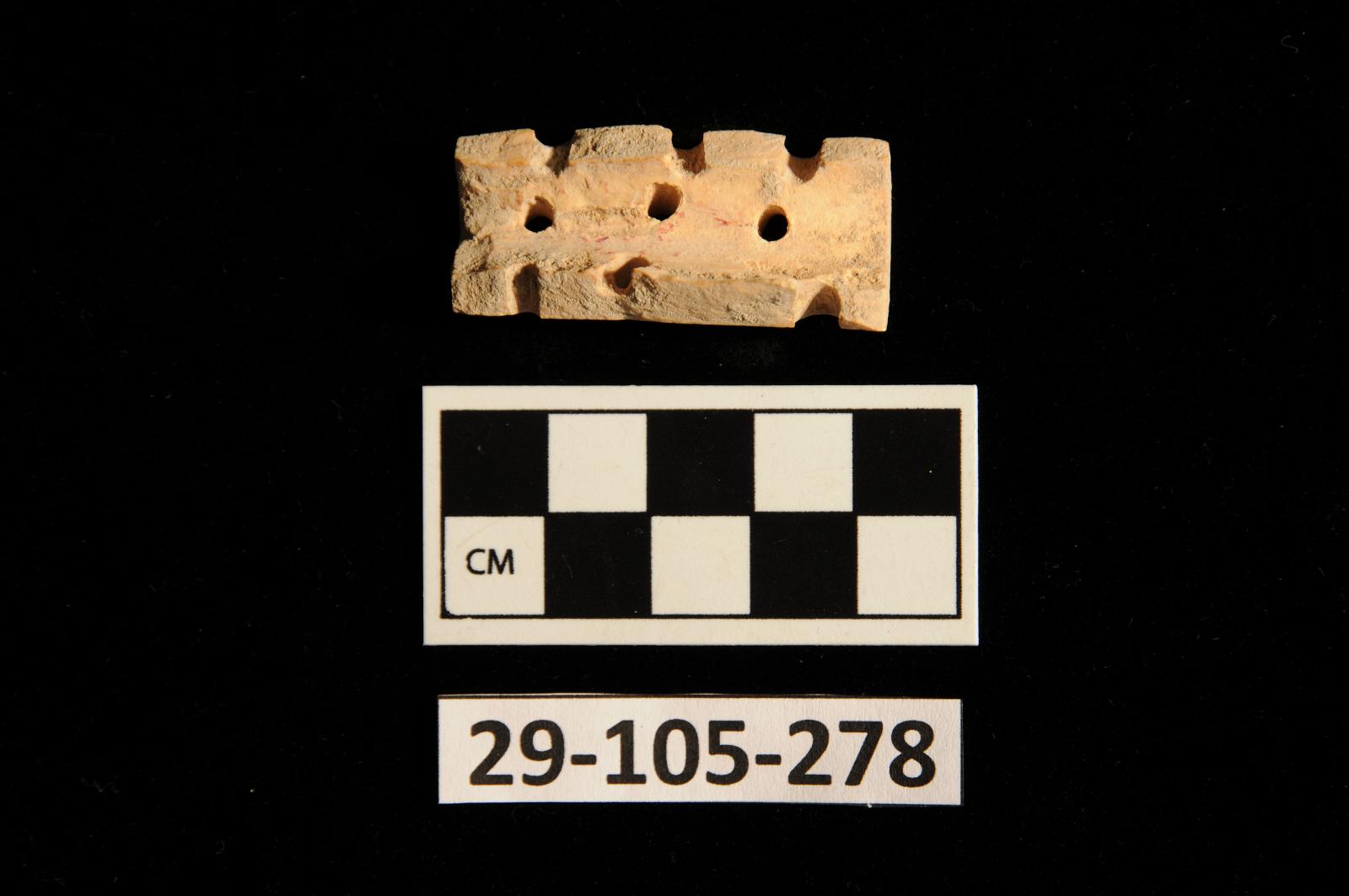
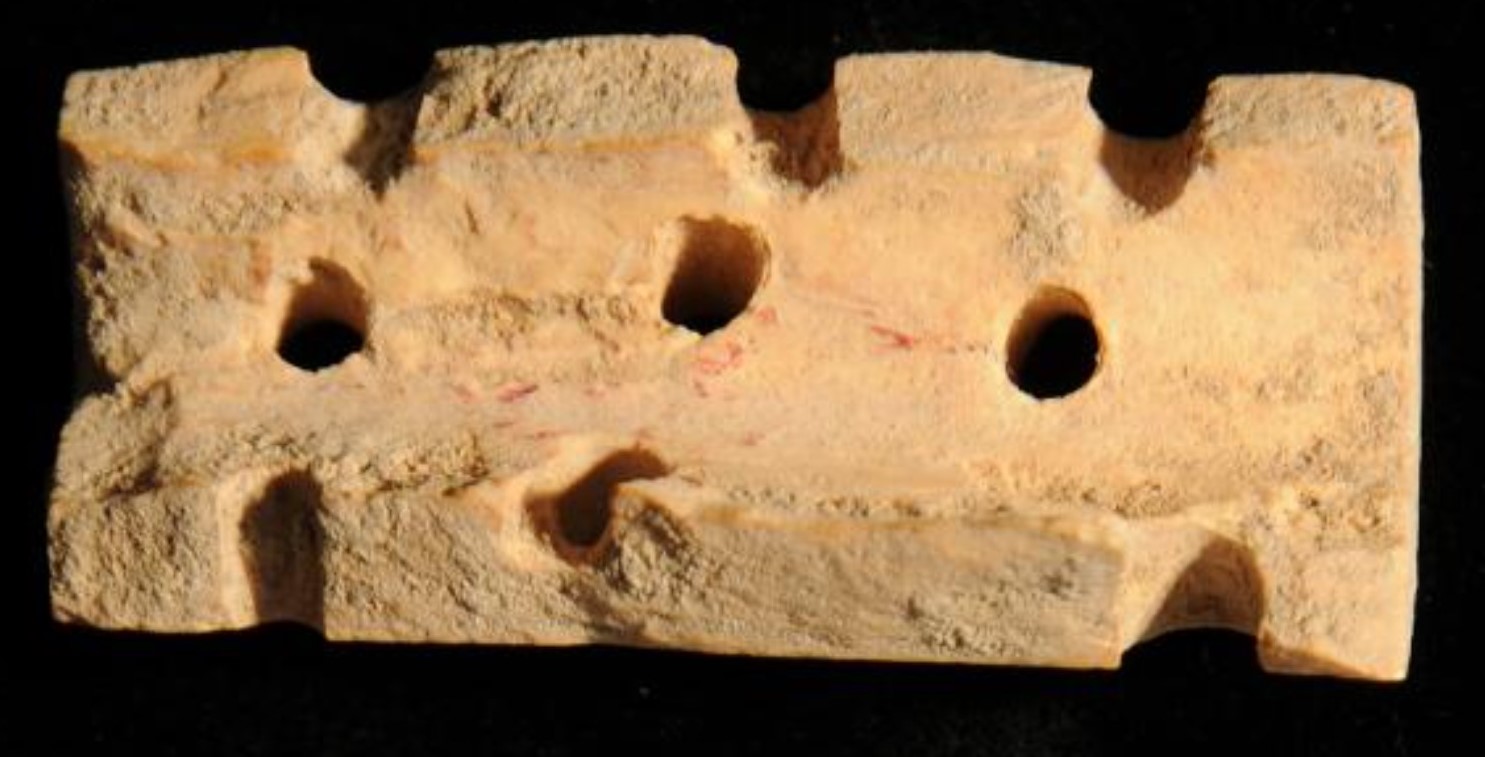
The second piece of ivory which is a fragment of a six-sided piece of ivory found at the same Expedition to Beth Shean (Beisan) is another intriguing artifact that upholds similar insight into the Late Bronze Age as the first bit of ivory. The shape of the ivory fragment, which resembles a piece of cheese, is somewhat unusual, and adds to the object’s overall intrigue. Each side of the ivory features three holes, indicating that it may have also been part of a larger decorative item, this time, instead of an inlay, it seemed to have formed a box of some sort. The level of detail and precision in the carving of the object is particularly noteworthy, with intricate geometric designs expertly carved into the ivory. The unusual shape of the object may have been intended to make it stand out and attract attention, perhaps as a decorative element in a public space or as a status symbol. The provenience of the object in Beth Shean (Beisan) is significant, as it provides evidence of the city’s involvement in international trade networks and cultural exchange during the Late Bronze Age. The object’s unique shape and design offer insight into the artistic and creative practices of the time, highlighting the ingenuity and skill of the artisans who created it.
Metadata Wars! Inlay vs Fragment! Who wins??
This table aims to compare and contrast the metadata provided for the two pieces of Ivory by the DLME
| Metadata | Inlay | Fragment |
|---|---|---|
| Title | Ivory | Ivory |
| Date | 1470-1300 BC | 1470-1300 BC |
| Description | Pierced at each end. Perhaps inlay. | Fragment of six sided object, each side having three holes. |
| Type | Ivory | Ivory |
| Type (Narrower) | Other Objects | Other Objects |
| Type (Broader) | Object | Object |
| Geographical Region | Beth Shean, Israel | Beth Shean, Israel |
| Time Period | Late Bronze IB, Late bronze IIA | Late Bronze IB, Late bronze IIA |
| Provenance | Expedition to Beth Shean (Beisan); Clarence Fisher, 1921-1928 | Expedition to Beth Shean (Beisan); Clarence Fisher, 1921-1928 |
| Medium | Ivory | Ivory |
| Extent | 4.2 cm, 0.78 cm | 4.25 cm, 1.9 cm |
| Holding institution | Penn Museum | Penn Museum |
| Data provider | Penn Museum | Penn Museum |
| Identifier | 260604 | 63773 |
| Source | 29-105-402, 28-10-476 | 29-105-278, 28-11-325 |
Is the Metadata Complete?
The metadata shown above is quite complete, as it includes information such as the title, date, description, type, geographic region, time period, provenance, medium, extent, holding institution, and data provider. Both pieces of ivory come from the Penn Museum, which means that they were likely catalogued by the same institution and have consistent metadata. Both objects come from the same institution and this could affect their metadata in that they may have similar or standardized metadata categories, which may make them more discoverable if a user searches for objects with similar metadata fields. However, if they were from different institutions, their metadata might vary in terms of the metadata fields used, the terminology used, or the level of detail provided, which could affect their discoverability.
What would make the Ivory more discoverable?
Outside of this assginment I don’t think Ivory needs to be discovered at all. The world seems to have already discovered all that there is, but, for the sake of getting full marks…
To make the items more discoverable, additional metadata categories could be:
Object category: to classify the objects as artifacts.
Technique: to describe the methods used to create the objects
Archaeological context: information on where and how the objects were found within the excavation site, as well as any associated artifacts or features