Introduction to Digital Arts and Humanities Final Unproject
The Virtual Reality Adventure of Trinidad and Tobago
What exactly is this experience?
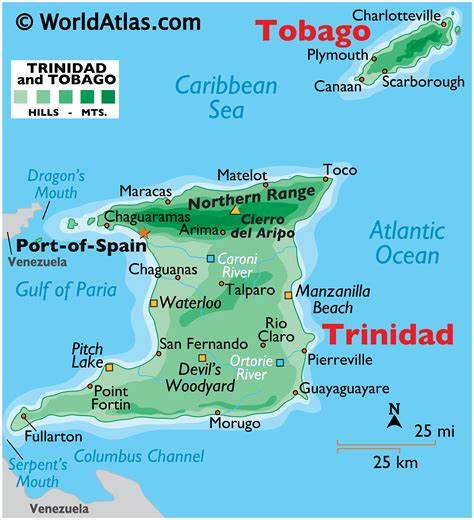
The Virtual Reality Adventure is an immersive experience that allows persons to embark on virtual expeditions to explore Trinidad and Tobago and it’s colonial, post-colonial, and current legacies. By focusing on the history of Trinidad and Tobago, the project will highlight the rich cultural heritage of the country and provide an insightful experience for both locals and visitors.
Values & Ethics?
My love for Trinidad and Tobago and its diverse culture is a driving force behind the project's development and implementation. I’m motivated to showcase the country's archaeological heritage and promote its cultural richness to a wider audience, both locally and internationally. By highlighting Trinidad and Tobago's unique history and culture, I hope to instill pride and appreciation in its people and contribute to the country's positive image and development.
What is the Aim of the Project?
Education and Engagement: One of the primary goals is to provide an immersive and educational experience that engages players in the archaeology and history of Trinidad and Tobago. The project aims to promote cultural awareness, historical knowledge, and an appreciation for the country's rich heritage.
Preservation and Documentation: By digitizing artifacts, archaeological sites, and historical information, the project contributes to their preservation and documentation. The virtual representations serve as digital archives that can be accessed and studied even if the physical artifacts or sites deteriorate over time.
Accessibility: The project seeks to make archaeology and cultural heritage accessible to a broader audience. Virtual reality technology allows individuals, regardless of their physical location, to explore and interact with archaeological sites and artifacts that may be difficult to visit in person.
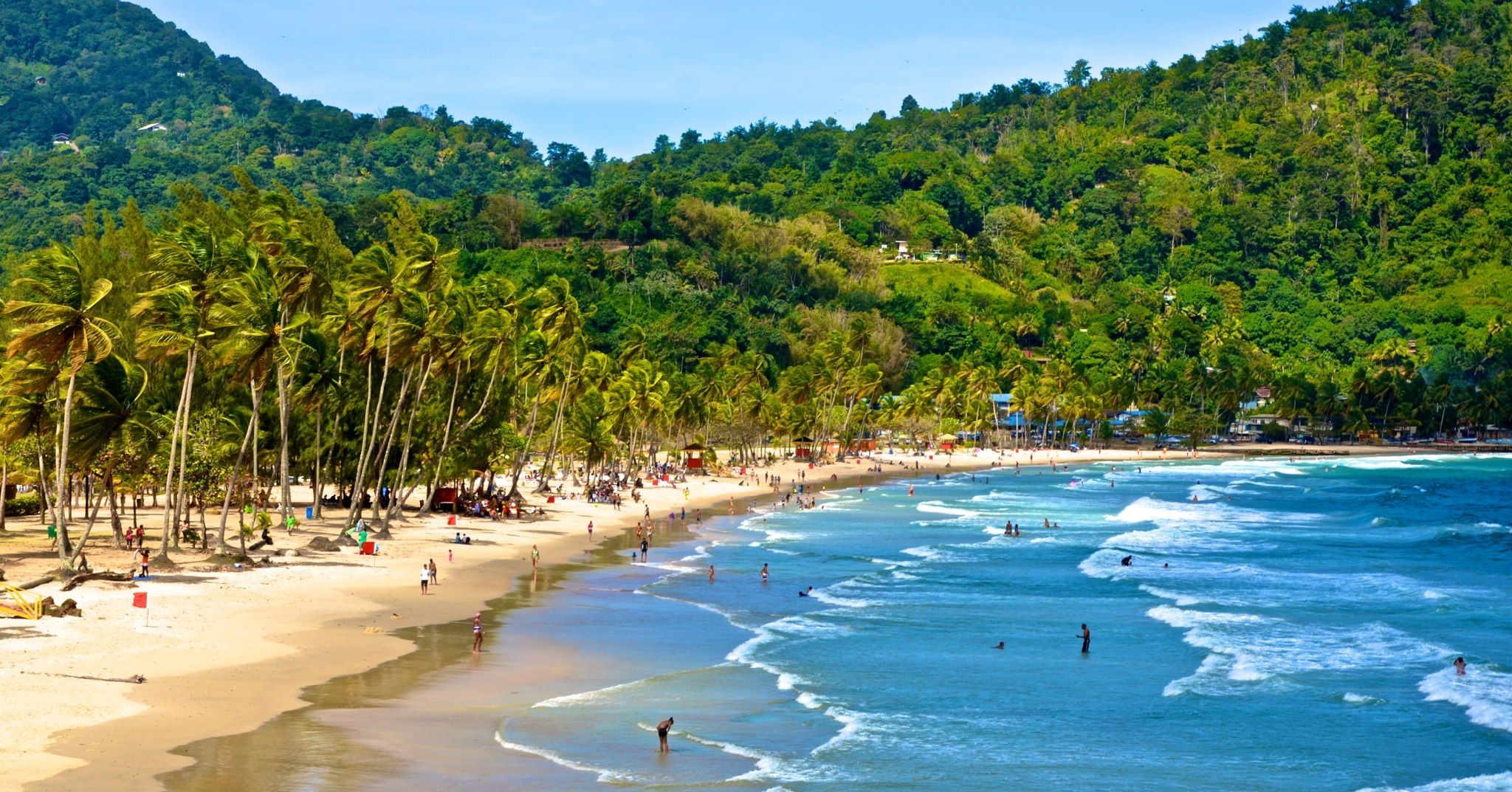
Tourism and Cultural Promotion: The project can serve as a promotional tool for tourism and cultural appreciation in Trinidad and Tobago. By showcasing the country's archaeological heritage in an engaging and immersive manner, it can attract visitors who are interested in exploring the real-world sites after experiencing them virtually.
Scope of the Adventure
Through a virtual deep dive into the country's colonial history, this project would aim to examine Trinidad and Tobago's colonial and post-colonial periods by examining indigenous cultures, slavery, the colonial era, historical events as well as cultural festivals and post colonial legacies
Pre-Columbian Indigenous Cultures & Colonial Era
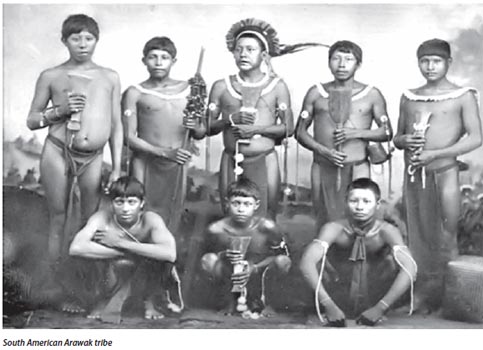
The project will delve into the rich history of Trinidad and Tobago's indigenous peoples, such as the Arawaks and Caribs. It will recreate their settlements, rituals, and way of life, providing players with insights into the pre-Columbian cultures that once thrived in the region.
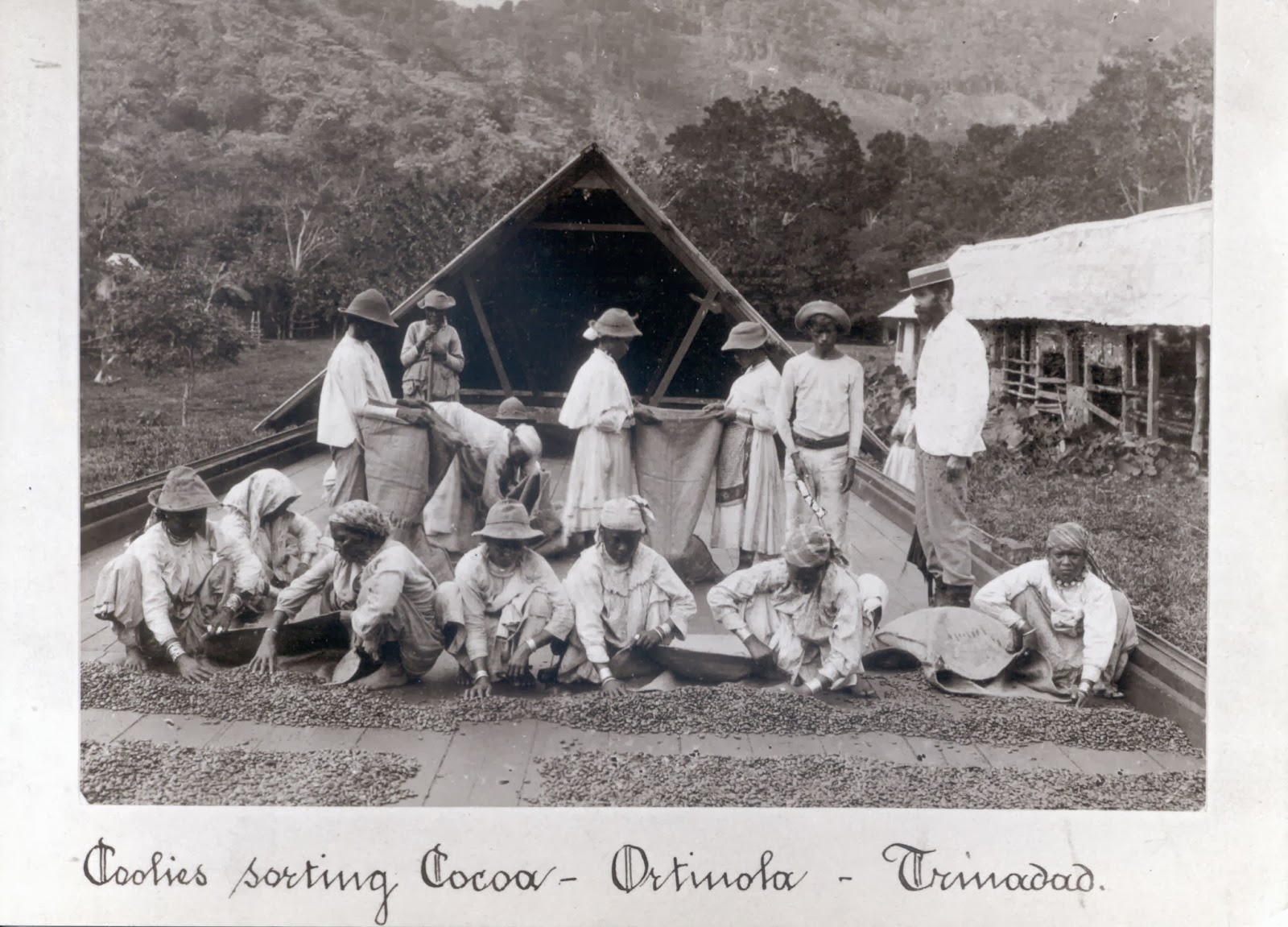
Trinidad and Tobago have a significant colonial history, with influences from the Spanish, French, Dutch, and British. The project will explore the colonial architecture, forts, and plantations that shaped the islands' development during this period.
![]()
Sugar Plantations and Slavery
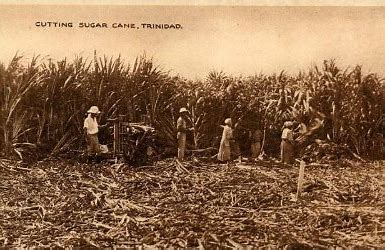
The project will highlight the role of sugar plantations and the transatlantic slave trade in the history of Trinidad and Tobago. It will recreate the plantation environment, depict the lives of enslaved individuals, and explore the social and economic impact of the sugar industry.
Historical and Cultural Festivals and Events
The project will explore significant historical events and personalities in Trinidad and Tobago's history. This will include the struggles for independence, notable leaders, and key milestones in the country's development.
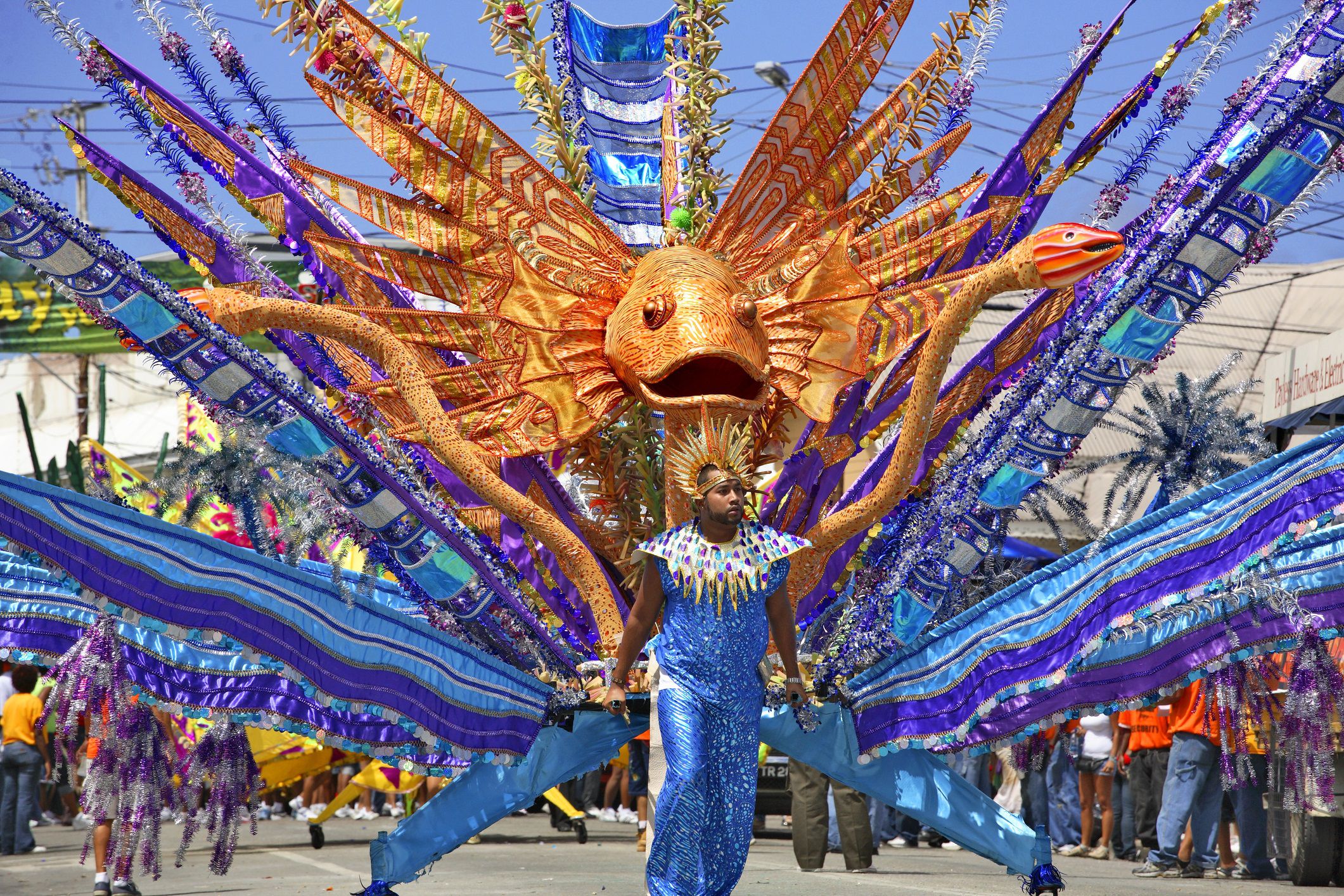
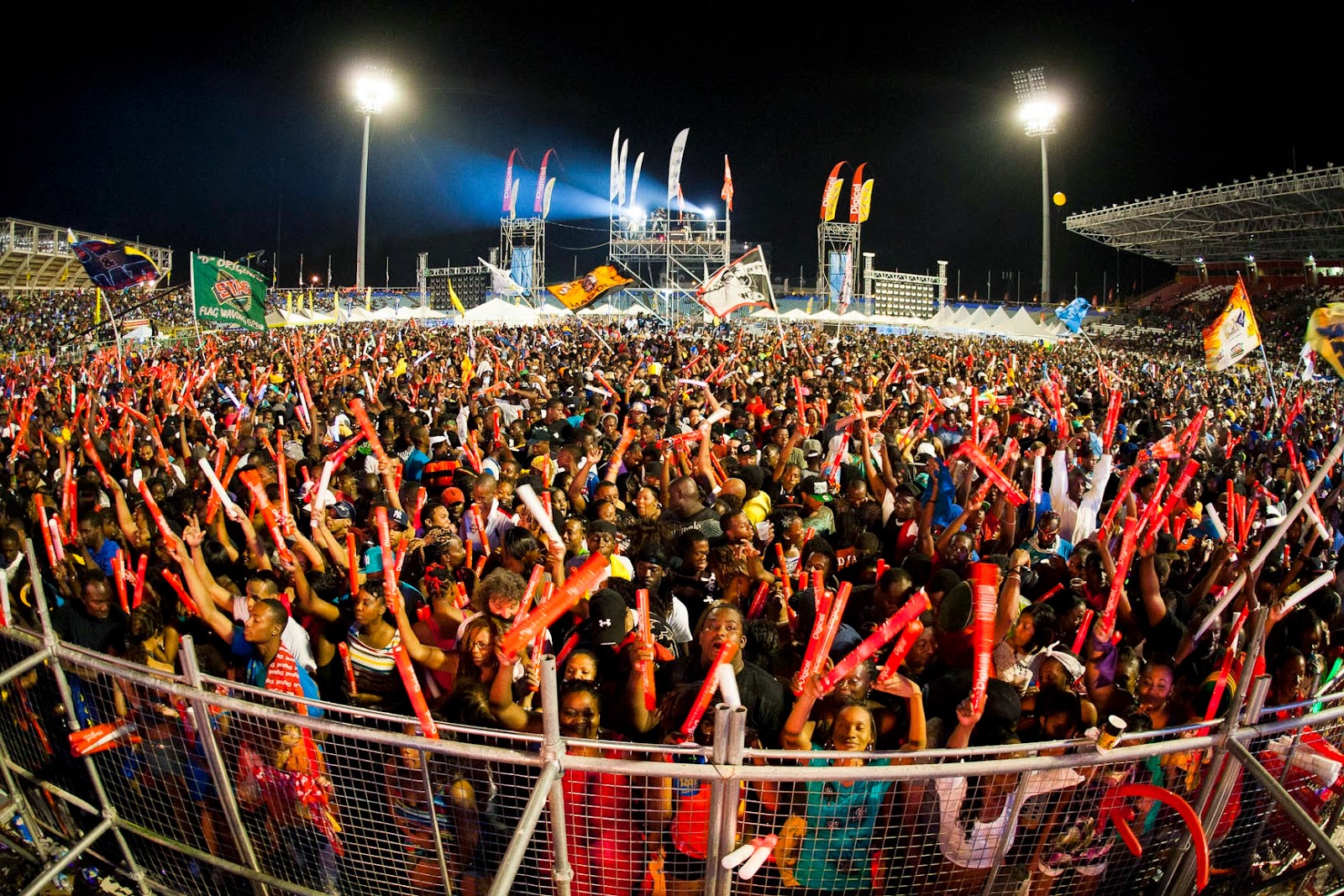
Trinidad and Tobago are renowned for their vibrant Carnival celebrations and cultural festivals. The project will incorporate these festivities, providing players with an immersive experience of the music, costumes, and traditions associated with these cultural events.
Data. Sourced? Collected? Digitized? Organized?
The data for the project would come from various sources, including archaeological records, historical documents, scholarly research, museum collections, and collaborations with experts in the field. It would be sourced from academic institutions, cultural organizations, government archives, and local communities.
Data Collection: Involves primary methods such as fieldwork and secondary methods like accessing existing archives, research papers, publications, and documentation.
Data Digitization: Capturing 3D geometric data and textures of artifacts and sites through 3D scanning, photogrammetry, or laser scanning. Textual data, images, and historical documents can also be digitized through scanning or transcription processes. The historical sites would need to be re-created virtually and should be as accurate as possible with respect to the actual places
Data Organization: Creating systematic databases, metadata structures, or content management systems to store and manage collected and digitized data effectively. It would prioritize easy access, retrieval, and updating of information.
Ethical Issues w/ the data?
Obtaining proper permissions, licenses, and consent as well as respecting not only intellectual property rights but also cultural sensitivities, and the historical artifacts is crucial, and should comply with relevant data protection regulations. Adequate measures will be taken to ensure the long-term preservation and security of data, with proper documentation to facilitate future updates. Moreover, controlled access or permissions may be necessary for sensitive data, while collaboration with institutions and partners can facilitate data sharing and knowledge dissemination.
Methods and Techniques Employed
The project will use digitization techniques to convert physical artifacts, archaeological sites, and historical documents into digital formats. Using unity, which is a well-known gaming software that utilizes 3D and VR headsets, the virtual site would be created to employ, analyse, and interpret the visual data. Image classification and clustering would also be used to categorize and identify objects within the virtual environments. Additionally, the site would be designed to work seamlessly with mobile apps so technical considerations such as optimizing the site for mobile access will also be considered.
Project Work Plan
The project would be divided into distinct phases, each with specific deliverables and milestones that would allow for systematic approaches, ensuring that goals are met and feedback is incorporated along the way. The exact steps, timelines, and phases may vary based on the project's specific requirements and resources available.
Planning and Research Phase:
Define project objectives, goals, and scope.
Conduct preliminary research on the archaeological sites, artifacts, and historical context of Trinidad and Tobago.
Identify potential collaborations with experts, institutions, and local communities.
Establish the project timeline, budget, and resource allocation.
Data Collection and Digitization Phase:
Conduct fieldwork, archaeological and historical surveys, and excavations to gather primary data.
Access existing databases, scholarly research, and historical records to collect secondary data.
Utilize 3D scanning technologies or other digitization methods to capture high-quality digital replicas of artifacts and historical sites.
Data Processing and Content Creation Phase:
Process and organize the collected data, ensuring accuracy and integrity.
Clean and analyze textual data, images, and 3D models for further utilization.
Create detailed and accurate virtual representations of artifacts, archaeological sites, and historical environments.
Develop interactive narratives, informative descriptions, and educational content to enhance the user experience.
Virtual Reality Development Phase:
Utilize virtual reality development tools and technologies to build immersive virtual environments.
Incorporate interactive elements,such as object manipulation, exploration mechanics, and storytelling components.
Integrate visual and audio effects to enhance the realism and engagement of the virtual experience.
Conduct rigorous testing and quality assurance to ensure a seamless and enjoyable user experience.
Evaluation and Feedback Phase:
Gather user feedback through playtesting, surveys, or focus groups to assess the effectiveness and impact of the virtual reality experience.
Incorporate user feedback and make necessary refinements or improvements to the project.
Evaluate the project's achievements against the defined objectives and make adjustments as needed.
Dissemination and Participation Phase:
Develop a dissemination plan to share the project with a wider audience.
Collaborate with cultural institutions, educational organizations, or tourism boards to promote the project.
Organize public exhibitions, workshops, or presentations to engage the local community and gather further input.
Facilitate opportunities for participation, such as crowdsourcing contributions or involving local communities in content creation.
In conclusion...
The virtual reality project in Trinidad and Tobago presents a unique opportunity to showcase the rich culture and diverse history of the twin-island nation. Through immersive experiences, users can gain a deeper understanding and appreciation for the country's unique blend of African, Indian, European, and indigenous influences.
Moreover, this technology has the potential to revolutionize the tourism industry, allowing visitors to explore the islands virtually before making the journey in person. Additionally, the project could provide an avenue for education, with virtual reality experiences allowing students to engage with history, geography, and other subjects in an interactive and engaging way.